| A client settles into the styling chair, looks up at the mirror, and within seconds forms an opinion about the color, about their skin, about how they feel in your space. That instinctive reaction happens before the stylist even picks up a brush. And more often than not, it has everything to do with the lighting above them.
The best lighting for a hair salon does two things at once. It gives stylists the clarity they need to do precise, confident work. And it makes every client look and feel their best the moment they sit down. |
When lighting fails at either of those jobs, the entire salon experience suffers, no matter how talented the team or how beautiful the buildout.
At Michele Pelafas, we’ve spent decades shaping salon interiors from the floor plan up, and lighting is one of the first conversations we have with every client. We’ve seen what happens when the lighting plan is intentional, layered, and built around how the space actually functions: Stylists work with greater ease, and the salon itself becomes a place people want to return to.
This guide walks you through everything you need to know to get your hair salon lighting right, from the technical fundamentals that protect color accuracy to the design choices that shape how your space feels the moment someone steps through the door.
Why Hair Salon Lighting Deserves More Attention Than It Gets
Most salon owners pour considerable thought into their furniture, color palette, and finishes. Lighting, though, tends to come in as an afterthought, something selected from a catalog at the tail end of a buildout, or inherited from a previous tenant and never questioned.
That’s a costly oversight.
Client Self-Perception
Lighting is the single element in your salon that touches every other design decision you’ve made. It determines how your paint colors read on the walls. It shapes how your flooring reflects or absorbs light. It dictates how a client’s skin looks in the mirror at your styling station, and in the beauty industry, a client’s self-perception in that mirror is everything. If someone sits down and their complexion looks sallow or uneven, they carry that impression through the entire appointment, regardless of how skilled the stylist is behind the chair.
The Need for Subtlety
For stylists, poor lighting creates a different problem entirely. Hair color is built on subtlety: the difference between a level 7 and a level 8 ash blonde, the underlying warmth in a brunette base, the way a toner settles into porous ends versus healthy mid-lengths. Reading those nuances requires light that renders color faithfully. When a stylist formulates under lighting that skews too warm or too cool, they’re working with distorted information. The result might look perfect inside the salon and completely off in natural daylight. That kind of inconsistency leads to redo appointments and frustrated clients.
The Emotion Tone
Then there’s the atmospheric side. A salon’s lighting sets the emotional tone of the entire space. Bright, even lighting at the stations communicates professionalism and precision. Softer, warmer lighting in the waiting area invites clients to slow down and settle in. A shampoo zone with dimmed, gentle light signals that it’s time to relax. Without intentional variation between zones, a salon can feel monotonous: a single flat wash of light from the front door to the back wall that never shifts the client’s emotional state as they move through the experience.
The truth is, hair salon lighting design requires the same strategic thinking as the floor plan itself. It’s a system, one that needs to account for how stylists work, how clients feel, and how different areas of the space serve different purposes throughout the day.
The Science Behind Salon Lighting (Without the Jargon)
You don’t need a degree in lighting engineering to make smart decisions about your salon’s lighting plan. But you do need a basic understanding of three key specifications that directly affect how hair color looks and how clients experience your space.
Color Rendering Index (CRI)
The Color Rendering Index measures how accurately a light source reveals the true colors of whatever it illuminates, compared to natural daylight. The scale runs from 0 to 100, with 100 representing perfect color fidelity.
In a salon, this number carries real consequences. A light source with a CRI below 80 can make hair color appear muddy, shift undertones in unpredictable directions, and mask the kind of subtle dimension that separates a good color job from a great one. A stylist might see a clean, cool blonde at the station and send the client home with hair that reads noticeably warm in sunlight, all because the salon’s lighting wasn’t accurately rendering color.
For any space where color accuracy drives the work, a CRI of 90 or above is the baseline. Many professional-grade LED fixtures now achieve a CRI of 95+, which brings the rendering quality close to natural daylight. When you’re evaluating fixtures for your styling stations, CRI should be one of the first numbers you look at, before style or anything else.
Color Temperature (Kelvin)
Color temperature describes the warmth or coolness of a light source, measured in Kelvin (K). Lower numbers (around 2700K) produce a warm, amber-toned glow similar to candlelight or an incandescent bulb. Higher numbers (5000K–6500K) lean toward a crisp, bluish-white light.
For color work at the styling station, most salon professionals find that the sweet spot falls around 3000K to 3500K. This mid-range produces a clean, neutral light that neither adds artificial warmth nor strips it away, giving stylists the most honest read on what the hair is actually doing.
The choice between warm and cool tones is a true design decision. A variety of factors come into play, but spaces with warmer finishes tend to have warmer lighting temperatures, while cooler finishes often match with cooler lighting temperatures.
Lux and Lumens
Lumens indicate the amount of light a bulb emits, while lux measures the intensity of light as it hits a surface. Think of it as the “how much light is landing here” number. A higher lux level means a brighter space; a lower lux level means a softer one.
At the styling station, where precision matters most, stylists typically need between 500 and 750 lux to see color clearly, assess blending, and catch inconsistencies. Anything significantly below that range strains the eyes, leading to fatigue over a long day of back-to-back clients.
Reception and waiting areas function well at a much lower lux level, somewhere around 200 to 300 lux, which feels comfortable for reading, scrolling a phone, or simply sitting without the overstimulation of bright task lighting. Shampoo zones can drop even further, particularly if the goal is to create a restful, retreat-like atmosphere.
Getting the lumens level right matters for your team and your clients. The right lumens usually equate with the right lux. Stylists who work under properly calibrated lux levels maintain sharper focus throughout the day. Clients who experience intentional shifts in brightness as they move through the salon feel a sense of variety and care, even if they can’t articulate exactly why the space feels so well considered.
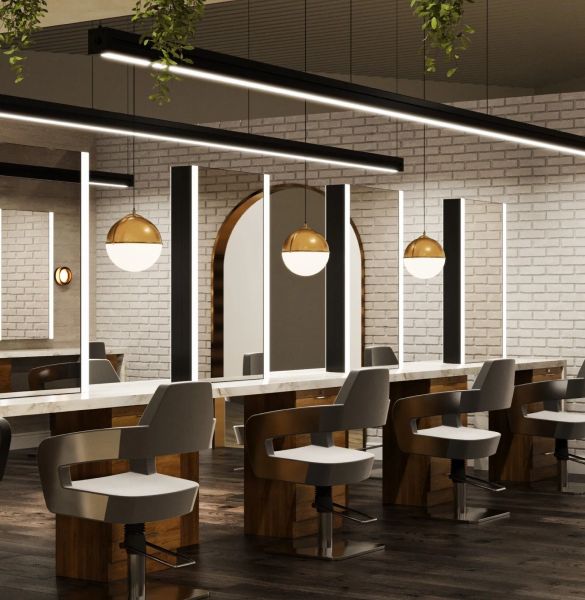
Layered Lighting — The Foundation of Great Hair Salon Lighting Ideas
The most common mistake we see in salon lighting plans is relying on a single type of fixture to do everything. A grid of recessed downlights across the ceiling might provide adequate brightness, but it creates a flat, one-dimensional environment with no visual rhythm and no variation between zones. It’s the lighting equivalent of painting every wall the same shade of beige, functional, but lifeless.
The best hair salon lighting ideas are built on a layered approach, where three distinct types of light work together to shape how the space feels and functions. Each layer has a different job, and when all three are calibrated intentionally, the result is a salon that feels complete, a space where clients can sense the quality of the environment before they even sit down.
Ambient Lighting
Ambient lighting is your foundation. It establishes the room’s overall brightness and sets the baseline mood for the entire salon. This is the light that generally fills the space, the first thing a client registers when they walk through the door.
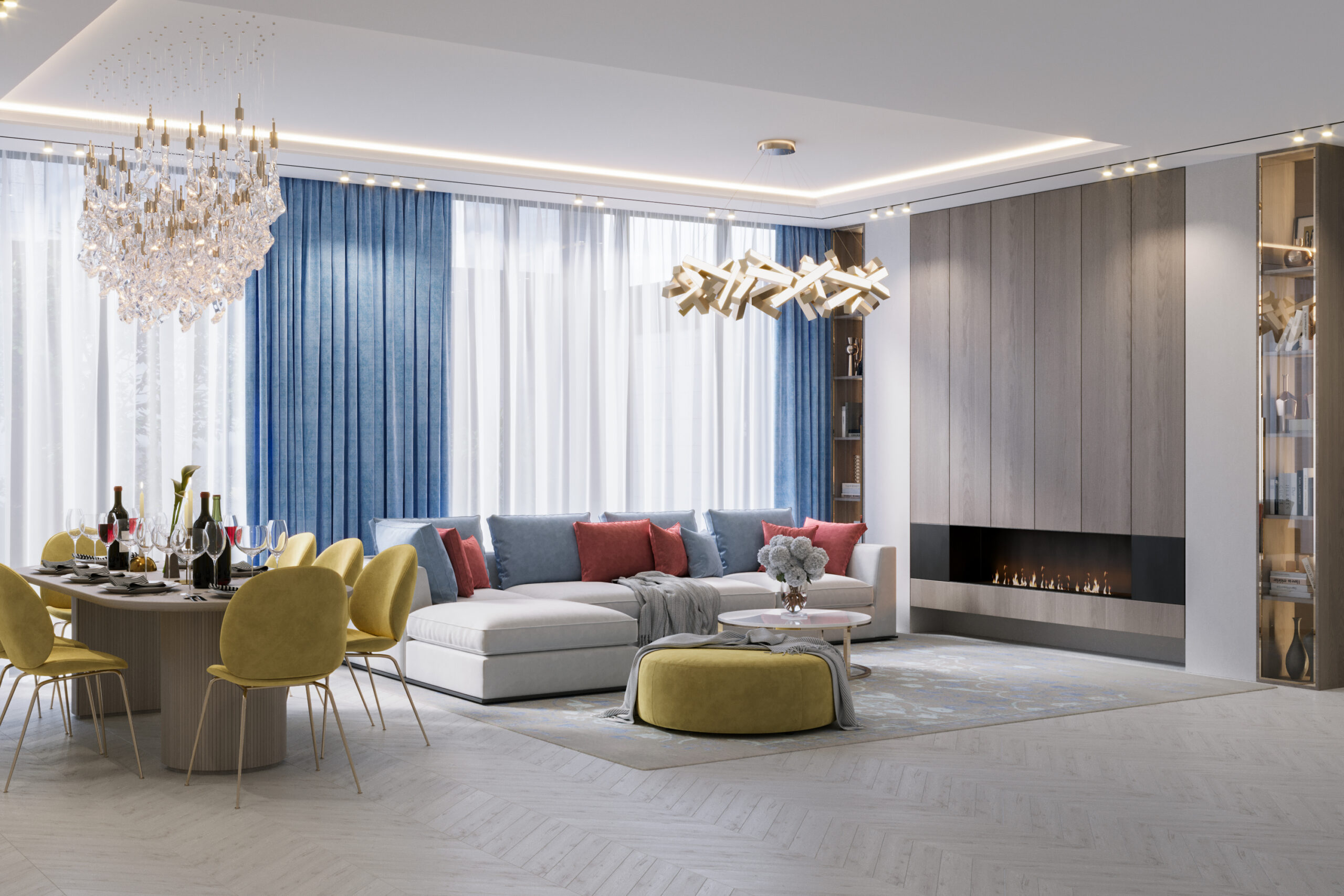
In a salon setting, ambient lighting should feel welcoming without being harsh. The goal is a comfortable, even wash of illumination that makes the space feel open and clean. Chandeliers can serve as striking ambient sources that double as a design statement, particularly in reception areas or above a central styling floor. Recessed ceiling fixtures, when properly spaced and dimmed, offer a quieter alternative that lets other design elements take the focus.
The key with ambient lighting is restraint. It should do enough to make the salon feel bright and alive, but it shouldn’t try to do the work of task lighting. When ambient fixtures are too intense, they flatten the room and eliminate the contrast that gives a salon its sense of depth and atmosphere.
Task Lighting
Task lighting is where precision lives. These are the fixtures specifically positioned to illuminate the areas where detailed work happens, primarily the styling station, the color mixing area, and anywhere a stylist needs clear, high-CRI light to see exactly what they’re doing.
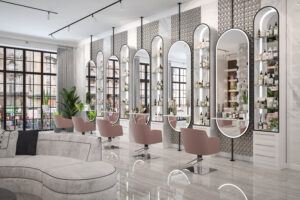
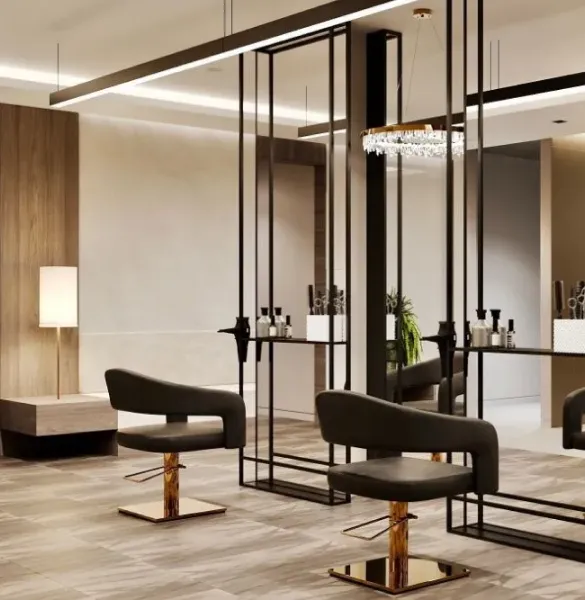
At the station, task lighting needs to provide even, shadow-free illumination across the client’s face and hair. Salon mirrors with integrated lights are among the most effective solutions here, as they position the light source directly in front of the client, reducing the harsh under-chin shadows that overhead-only lighting tends to create. Counter lamps offer another targeted option, particularly useful at color bars or consultation areas where a stylist needs focused light on a smaller surface.
Task lighting should be the brightest layer in your plan, but only in the zones that demand it. Flooding the entire salon with task-level intensity would feel clinical and exhausting. The power of task lighting comes from its specificity. It concentrates the highest-quality light exactly where the work requires it.
Accent Lighting
Accent lighting is what gives a salon its personality. While ambient and task lighting address functional requirements, accent fixtures add visual interest, highlight architectural details, and reinforce your brand identity throughout the space.
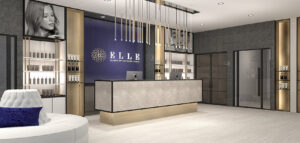
Wall sconces can frame a feature wall, add warmth to a corridor, or create soft pools of light in a retail area that draw the eye toward displayed products. Pendant fixtures hung at varying heights above a reception desk or waiting lounge add vertical dimension and sculptural appeal to an otherwise horizontal sightline.
Accent lighting also plays an important role in guiding movement through the space. A gently lit alcove signals a quiet moment. A backlit shelf draws attention to a curated product display. A warm glow along a shampoo corridor tells clients they’re transitioning from the active energy of the styling floor to something slower and more restful.
When all three layers work in concert, with ambient setting the foundation, task lighting sharpening the focus, and accent lighting adding soul, the salon feels intentionally crafted rather than simply illuminated. That distinction is what separates a forgettable space from one that clients talk about long after they’ve left the chair.
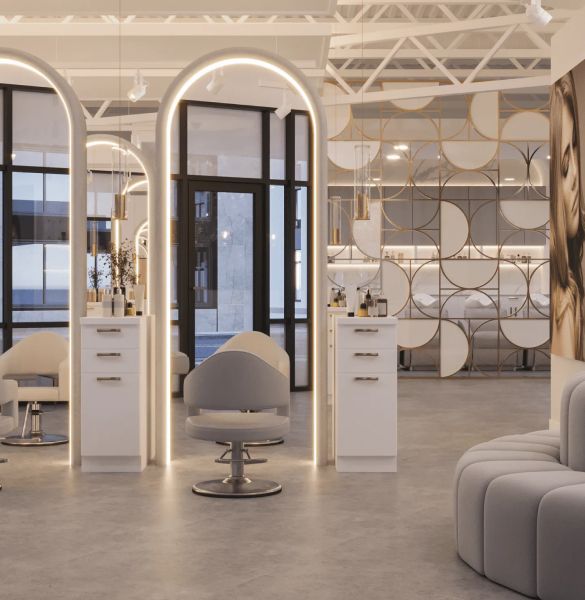
Salon Lighting Ideas for Every Zone
Every zone in your salon serves a different purpose, and the lighting in each area should reflect that. A single lighting approach applied wall to wall ignores the fact that a client’s experience shifts as they move through the space, from the first impression at the front desk to the precision of the styling chair. Thoughtful hair salon lighting ideas account for those shifts intentionally.
Here’s how we approach lighting in each key zone:
- Styling and hair stations: High-CRI, shadow-free task lighting is essential here for color accuracy and to help clients see themselves at their best. Front-facing or mirror-adjacent light sources distribute illumination evenly across the face, eliminating the harsh shadows under the chin and around the eyes that overhead-only fixtures tend to create.
- Shampoo area: This requires a sensory reset that signals relaxation. The contrast from the well-lit styling floor creates a noticeable emotional shift, turning a routine rinse into a genuine moment of calm.
- Waiting area and reception: Warm, inviting ambient light sets a welcoming first impression without the clinical intensity of the service areas. Floor lamps are especially effective here, bringing a residential, lounge-like quality that encourages clients to settle in comfortably.
- Color mixing and processing area: This is a no-compromise zone. Stylists formulate based on what they can see, and any lighting that skews warm, dim, or inconsistent will distort those decisions. Bright, high-CRI fixtures keep every pigment reading true from bowl to chair.
LED Technology and Energy Efficiency in Today’s Salons
A decade ago, many salon owners avoided LEDs because the light they produced felt cold and sterile, a far cry from the warm glow of halogen or incandescent bulbs. That gap has closed significantly. Today’s professional-grade LEDs achieve CRI ratings above 95 and produce light that feels natural and true to color.
The practical advantages go well beyond light quality. LEDs last dramatically longer than halogen or fluorescent alternatives, which means fewer disruptions for bulb replacements and lower maintenance costs over time. They also consume a fraction of the energy, reducing utility bills in a space that often runs lights for 10 to 12 hours a day.
Perhaps the most useful advancement for salons is tunable white LED technology. These fixtures allow you to adjust color temperature on demand: brighter and cooler for morning color appointments, and warmer and softer as the day shifts into evening blowouts or styling sessions. That kind of flexibility gives salon owners real-time control over the mood and functionality of their space without swapping a single fixture.
Beauty Salon Lighting Ideas That Reflect Your Brand
Lighting does more functional work in a salon than almost any other design element, but it also communicates something about who you are before a single word is spoken. The fixtures you choose and how they cast light all contribute to the story your space tells.
Clear Signals
A minimalist salon with clean lines and matte finishes reads differently under sleek, low-profile LED tracks than it would under ornate crystal pendants. A glam-forward studio might lean into statement chandeliers and warm metallics. An organic, wellness-inspired space might favor fixtures made from natural materials that cast soft, diffused light. Every choice signals your brand’s personality to the client walking in for the first time.
Visual Depth
Beyond fixture selection, beauty salon lighting ideas should account for how the light itself behaves in the room. A focused beam on a textured accent wall creates visual depth. A backlit shelf behind the reception desk draws the eye toward retail products without a hard sell. Well-placed accent lighting can turn architectural details into focal points that make a space feel intentionally designed from floor to ceiling.
Integrated Elements
Current interior design trends favor warm metallics, sculptural fixtures, and integrated LED elements that blend seamlessly into the architecture. The key is borrowing from these trends selectively, choosing pieces that align with your brand’s existing identity rather than overhauling your aesthetic every season.
A Smart Investment
Finally, invest in dimmers and smart controls. A salon that operates at one brightness level from open to close misses a powerful opportunity. The ability to shift from bright, energizing morning light to a softer, more intimate evening feel allows your space to adapt to the natural rhythm of the day and gives your clients a subtly different experience depending on when they visit.
Let’s Design a Salon That Looks as Good as Your Work
At Michele Pelafas, we design salon lighting plans built around how your team works, how your clients feel, and how your brand shows up in every corner of the space. From fixture selection to layout, we handle the details so your lighting performs as beautifully as your stylists do.
If you’re building a new salon or rethinking the one you have, we’d love to talk. Reach out to our design team and let’s create a space your clients won’t forget.
Frequently Asked Questions
What is the best type of lighting for a hair salon?
LED fixtures with a CRI of 90 or above and a color temperature from 3000K to 3500K give stylists the most accurate read on hair color while flattering various skin tones. Layering these task fixtures with softer ambient and accent lighting throughout the salon creates a space that performs well technically and feels inviting to clients.
Can Michele Pelafas help customize a salon lighting plan for my unique space and brand aesthetic?
Absolutely. We develop lighting plans tailored to your floor plan, your brand identity, and how your team works day to day. Our process accounts for everything from fixture placement at individual stations to the mood and flow of the overall client experience, so the final plan feels like it belongs to your salon and no one else’s.
What’s the best approach for lighting salon retail and product displays?
Accent lighting with a slightly warmer color temperature (around 3000K–3500K) draws the eye to retail displays without creating the harsh, commercial feel of overhead fluorescents. Backlit shelving or focused directional spots positioned above the display add depth and dimension, making products look intentional and curated.
How can I update my existing salon lighting without a full renovation?
Swapping outdated fluorescent or halogen fixtures for modern LEDs is one of the highest-impact changes you can make without opening walls or ceilings. Adding dimmer switches, introducing a few targeted task fixtures at styling stations, or layering in accent pieces like sconces or pendant lights can dramatically shift the feel of a space while working within your existing electrical layout.
A salon owner wants to balance the tones of light in the salon. Which type of light would likely be incorporated?
Tunable white LEDs are the most practical solution for balancing warm and cool tones across a salon, allowing you to match the coolness or warmth of your lighting to that of your finishes.