


Choosing the right massage room size and overall spa room dimensions isn’t just about fitting furniture: it’s about creating flow, function, and a space your team and clients actually want to be in.
Whether you’re launching your first med spa or expanding a thriving salon, every square foot matters. From treatment rooms to waiting areas, layout decisions can make or break your client experience and your bottom line.
With over 20 years of designing for salons, spas, and wellness spaces, we’ve seen what works (and what definitely doesn’t). Now, it’s time for us to help you make sure your space feels as good as it looks, starting with the right room dimensions.
Table of Contents
Why Massage Room Size Matters in Spa and Salon Design
Choosing the right massage room size isn’t just a technicality. Rather, it affects how your business runs day to day. Too-small treatment rooms can feel cramped for both clients and staff, especially once you add equipment, supplies, and movement around the massage table.
Poor sizing can lead to uncomfortable services, limited privacy, and awkward workarounds that slow everything down. On the other hand, well-planned spa room dimensions support better workflow and help create a calm, professional atmosphere.
Getting the size right from the start means fewer expensive layout changes later and a better experience for everyone who walks through your salon’s door.
Top Factors to Consider When Choosing Your Massage Room Size
The right massage room size depends on more than just how much space you have. From layout and equipment to services offered, several key factors influence the ideal spa room dimensions for your salon or med spa.
Let’s break down what really matters before you start drawing walls.
Understand The Importance of the “Loss Factor” in Spa Room Dimensions
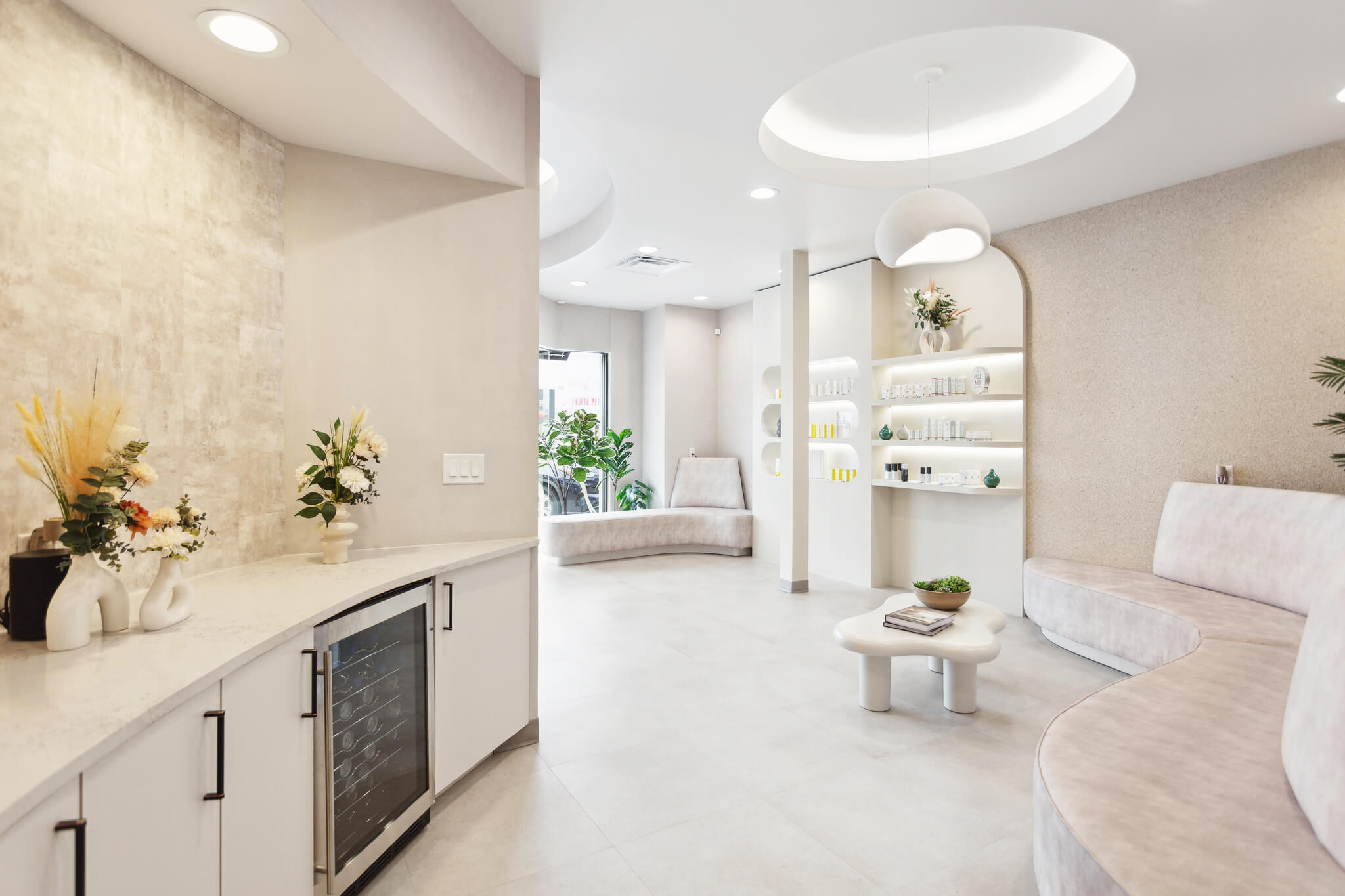
One of the most overlooked parts of choosing a space is the loss factor, which is the difference between the total square footage on the lease and the usable square footage you can actually design around.
Many commercial properties include shared spaces like hallways, stairwells, and mechanical rooms in their advertised number, which means your real massage room size may be much smaller than expected. For example, if your lease says 1,800 square feet but there’s a 20% loss factor, you’re only getting 1,440 square feet to work with.
That missing space can seriously affect your spa room layout, especially when planning for treatment rooms, reception areas, and equipment storage. Thus, you should always ask for the usable square footage before signing a lease. It’s the only way to plan accurately.
Revenue-Generating vs. Non-Revenue Spaces: How to Maximize Your Square Footage
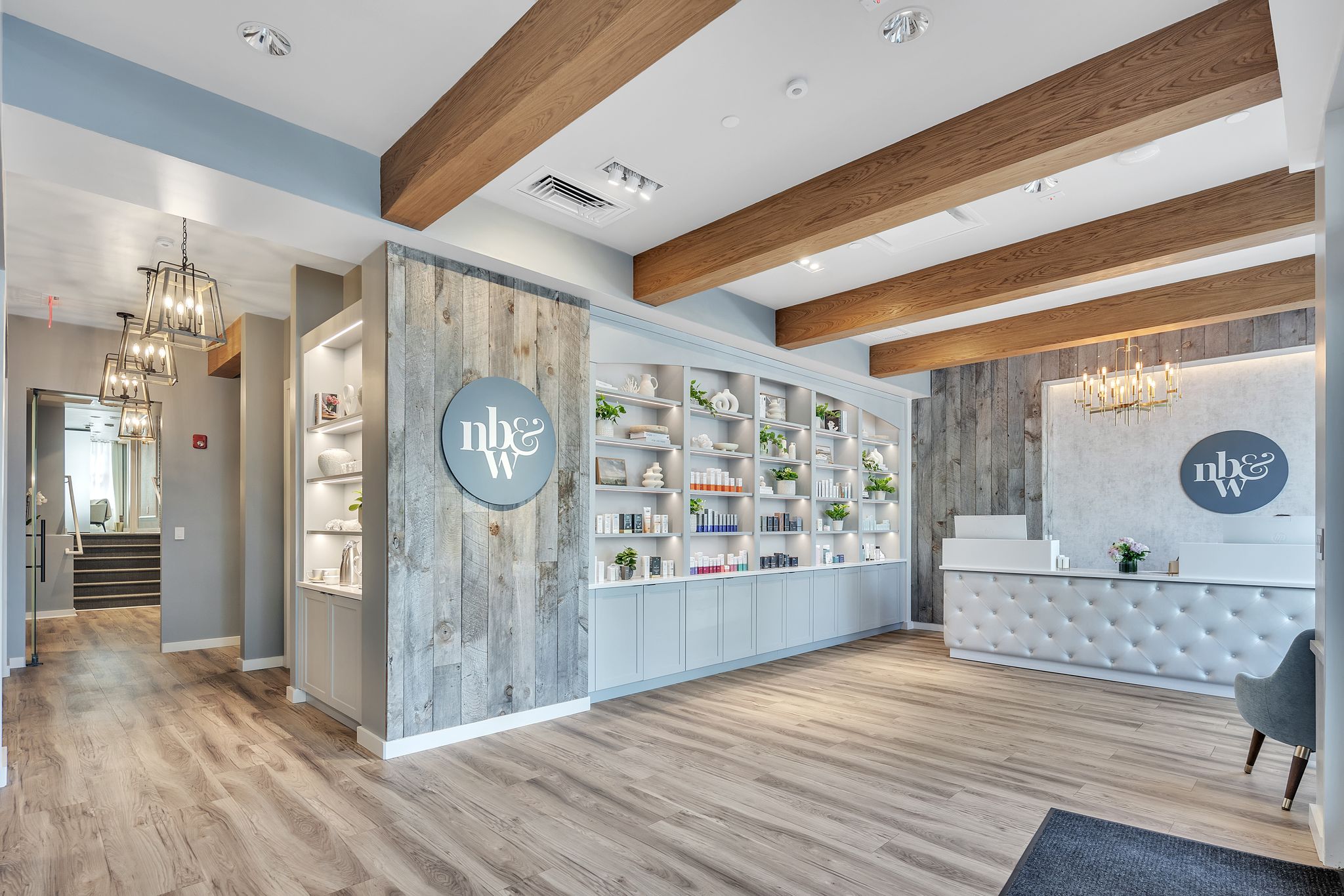
When planning your spa room dimensions, it’s easy to prioritize revenue-generating areas like massage rooms and treatment spaces. While these are essential, support spaces matter, too.
Break rooms, laundry areas, offices, and storage may not directly bring in income, but they keep your staff happy and comfortable, ensuring your business runs smoothly.
Amenities like bathrooms, changing rooms, and client lounges also play a key role in creating a high-quality experience that encourages repeat visits. Balancing both types of spaces is the best way to maximize the value of your square footage.
Don’t Skimp on Room Sizing: Standard Massage Room Dimensions You Need to Know
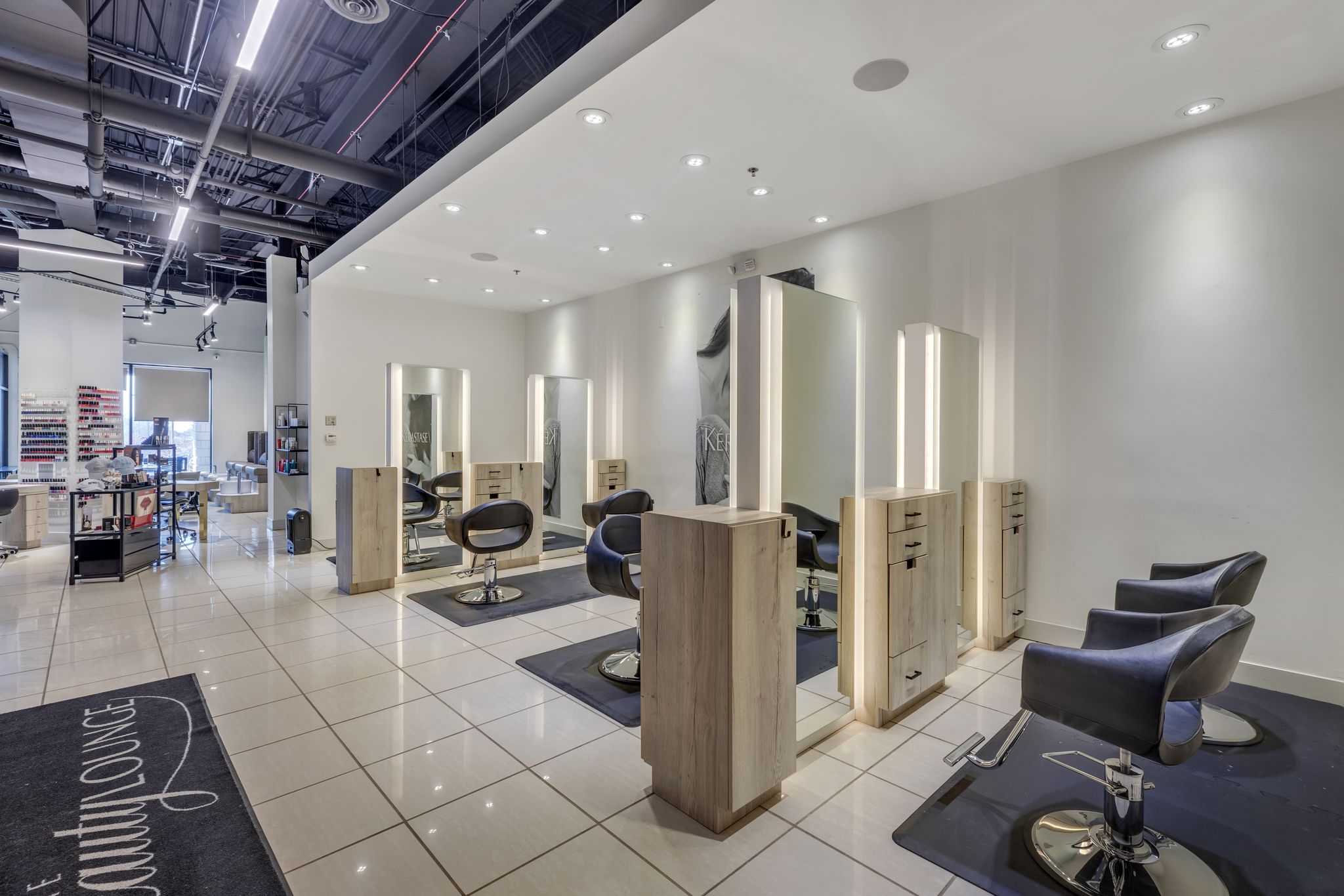
Trying to squeeze in an extra treatment room might sound like a smart move, but cutting corners on massage room size usually backfires.
Cramped rooms make it harder for staff to move around, operate equipment, and deliver a smooth, relaxing service. Clients may feel boxed in, which takes away from the relaxing experience they expect.
The standard massage room size typically ranges from 9×10 feet to 10×12 feet, depending on the services and equipment used. Choosing the right spa room dimensions ensures enough space for comfort, functionality, and flexibility. This way, you’re never limited in what you can offer.
Consider: How Much Space Do You Need Around a Massage Table?
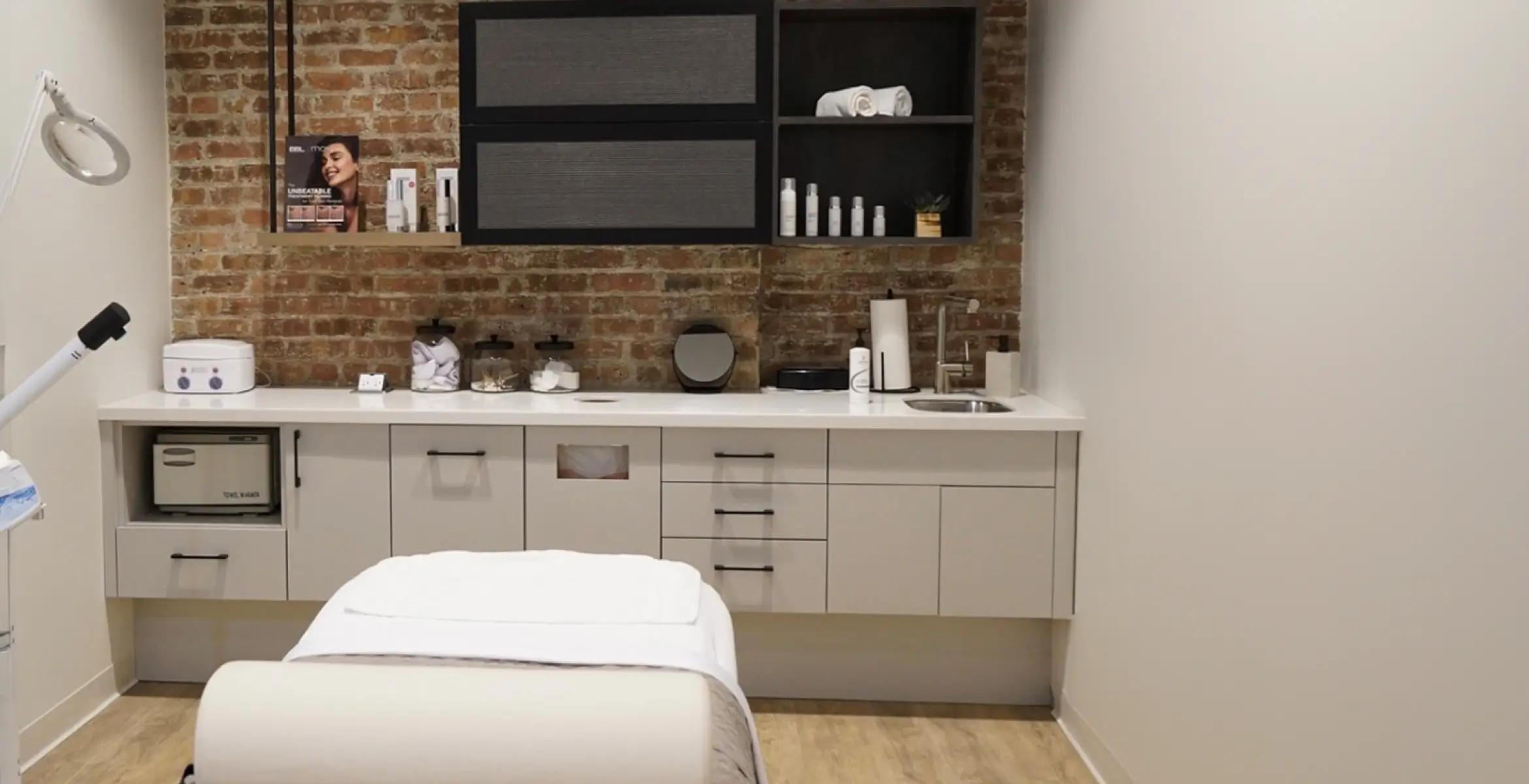
Even with the right massage room size, the space around the massage table is what really determines how functional your layout is. For most treatments, you’ll need at least 30 to 36 inches of clearance on all sides of the table to allow for movement, adjustments, and client comfort.
If your services include equipment like hot towel cabinets or carts, that buffer becomes even more important.
Skimping on circulation space can slow down treatments, create safety issues, and make the room feel smaller than it is. A thoughtful layout supports both staff workflow and the calm, open feeling clients expect from a spa or med spa treatment.
Design Considerations for Multi-Use Treatment Rooms
If your spa room needs to flex between different services like facials, massages, or medical treatments, it’s important to plan for variety without losing comfort or function. Here are a few things to consider when designing a multi-use treatment room:
- Flexible Massage Room Size: Choose dimensions that accommodate the largest service you plan to offer, not just the smallest.
- Mobile Equipment: Use rolling carts, portable sinks, and movable storage to quickly reconfigure the room as needed.
- Adjustable Lighting: Combine task lighting and ambient lighting to suit different treatments.
- Soundproofing: Multi-use rooms may host both quiet services and equipment-based procedures, so plan for acoustics.
- Accessible Power Sources: Wall and floor outlets should support various equipment setups.
- Durable, Neutral Finishes: Select materials that withstand multiple treatments without requiring frequent updates.
The right layout makes your massage room more versatile and helps you get the most value from every square foot.
Understanding Minimum Room Size Requirements for Different Spa Treatments
It’s crucial to remember that not all treatments require the same amount of space, which is why knowing the minimum size for a massage room or facial room is so important during planning.
A room used for basic table massage might need around 9×10 feet, while a space for couples’ treatments or medical-grade equipment could require much more. Building around these standards helps ensure client comfort and staff efficiency.
With smart planning and the right spa room dimensions, you’ll be ready to support your services today and whatever’s next for your salon or med spa.
Ready to Design Your Perfect Spa Room? Let Michele Pelafas Help
From choosing the right massage room size to planning your full layout, our team has the experience to bring your vision to life. Explore our interior design services or book a consultation to get started today.
Spa Room Dimension FAQs
What is the most important thing to consider when furnishing a treatment room?
Functionality and flow! Your massage room size should support equipment, staff movement, and client comfort without feeling cramped.
What is the minimum size for a massage room?
The minimum size for a massage room is typically around 9×10 feet, depending on services and required clearance around the table.
What are the standard dimensions for a spa treatment room?
Standard spa room dimensions range from 9×10 feet to 10×12 feet, with larger sizes needed for couples’ services or specialized equipment.
Can Michele Pelafas accommodate special room types like hydrotherapy or medical-grade treatments?
Absolutely. Michele Pelafas offers custom interior design and furniture solutions for unique spa services, including hydrotherapy and medical-grade treatment rooms.
How much space is needed for a salon?
The average space for a standard salon typically ranges between 1,500 and 2,500 square feet (140–230 square meters), though smaller boutiques can start at 600–800 square feet (55–75 square meters) and high-capacity venues may require up to 3,000 square feet. While individual styling stations need approximately 30–36 square feet (2.8–3.3 square meters) of workspace, a more effective rule of thumb for overall planning is to allocate 175 square feet per stylist to ensure adequate room for circulation and common areas.